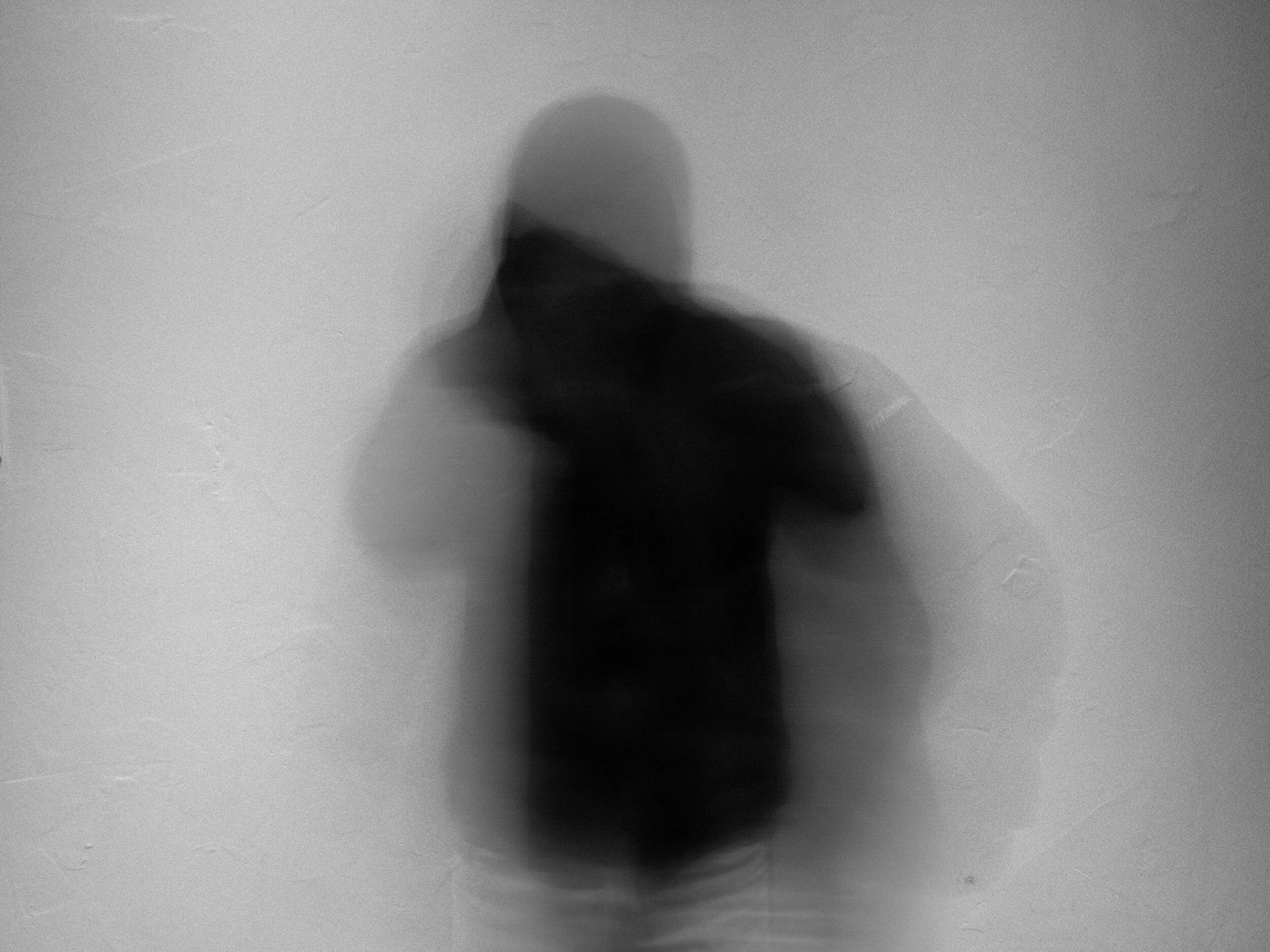
Narative Study Compositon: Memory, Space and Perception
I dreamed the dream again.
I lay awake in bed, dressed only in a pink bow tie and winter boots, when a knock traveled softly through the house. Downstairs, my relatives stood motionless, their faces drained of color. I opened the door to an empty threshold.
Outside, the light was unforgivingly bright. Cars drifted past. Neighbors exchanged greetings. Yet all movement flowed backward—people, animals, time itself. Their eyes met mine as I scratched my neck, uncertain who was observing whom. A quiet voice within me whispered: this is a dream.
Without sound or breath, I answered: a dream within a dream.
I woke.
Across the room, a cheap imitation of Las Meninas hung against a charcoal wall. I traced its fractured space and felt Velázquez suspended in stillness, gazing out from the painting—and back at me.
Days later, the nights began to change. A presence appeared beyond the window, arriving without warning, lingering without form. I named it the Pegman.
The first time I sensed it was in 1989, on the evening the earth broke open. The city trembled, bridges fell, homes burned. Inside my room, music and laughter tried to outrun the shock. Later, unsteady and alone at the window, I felt the weight of being watched.
Across the street, a shadow hovered—drifting left, right, forward, back—untethered from the ground. When I turned away, it vanished, leaving only silence and the unsettled dark

“I woke up! Across my room, a cheap imitation of "Las Meninas" hung on the charcoal-colored wall. I stared at the spatial structure of the painting and noticed Diego caught in a moment of stillness staring back at me”.

“It appeared suspended in the air and made some subtle movements left, right, back, and forth. As I looked towards my friends, the dark figured quickly disappeared”.

It was right at that moment when I began to feel something strange: I felt that someone was watching me. I couldn't figure it out until I noticed a shadowy figure standing across the street.
